Charlotte activists plan rally against Operation Epic Fury as U.S.-Israel strikes escalate conflict with Iran
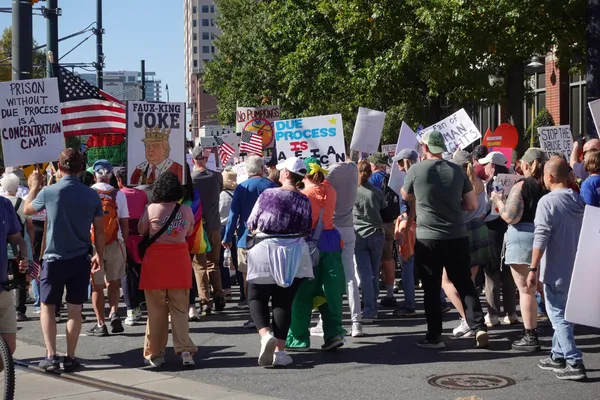
Local protest planned as a new U.S. military campaign begins
Charlotte activists are preparing a public rally in response to the launch of “Operation Epic Fury,” a U.S. military operation carried out alongside Israel and announced on Saturday, Feb. 28, 2026. The rally is being organized amid rapidly developing events in the Middle East, including reports of strikes on Iranian military infrastructure and retaliatory actions affecting U.S. positions in the region.
While organizers have framed the Charlotte action as opposition to another long-running overseas conflict, local officials and law enforcement agencies had not issued city-specific public guidance by late Saturday on anticipated attendance, traffic impacts or planned security measures.
What is Operation Epic Fury?
Federal officials have described Operation Epic Fury as a targeted military campaign against Iran, launched under presidential direction. Public statements from the White House have characterized the operation as aimed at reducing threats from Iran and weakening capabilities tied to missiles and other military systems. Military messaging released Saturday referenced strikes against Iranian facilities connected to command-and-control, air defenses, and launch infrastructure.
At the national level, the launch of the operation triggered immediate political reaction. Some lawmakers voiced support and called the strikes necessary to prevent Iran from advancing military capabilities, while others raised concerns about escalation risk and the potential for a wider regional war.
Why a rally in Charlotte, and what participants are likely to focus on
The planned Charlotte rally fits within a broader pattern of rapid-response demonstrations in the city in recent years, including protests tied to federal enforcement actions and national policy disputes. Organizers of recent Charlotte demonstrations have often emphasized civil liberties, community impacts, and opposition to expanded federal power.
War powers and oversight: Protesters are expected to call for clearer congressional authorization and public accounting of operational objectives, timelines, and potential costs.
Risk of escalation: Demonstrators may emphasize the possibility of retaliatory strikes against U.S. forces and allies, and the danger of a prolonged conflict.
Humanitarian consequences: Activists frequently highlight civilian safety, displacement, and infrastructure impacts in conflict zones, particularly when air campaigns expand.
“Emergency” rallies typically aim to influence public debate early—before a military campaign becomes normalized or its scope is fully understood.
What to watch next
Key near-term developments include any official clarification on the operation’s duration and targets, confirmation of damage and casualties from all sides, and whether additional U.S. forces are deployed to the region. Locally, the scale of turnout in Charlotte—and whether the demonstration remains limited to a single rally or expands into repeated actions—will likely depend on how long the conflict continues and how directly it affects U.S. service members, regional stability, and domestic politics.
Charlotte.news will continue monitoring official announcements, local permitting and public-safety planning, and the evolving security situation overseas.
West Charlotte High School secures $2 million partnership to expand student entrepreneurship training in Charlotte
Spring Energy and the Queen City Streak: Your Thursday Morning Briefing