Charlotte Douglas Airport reports widespread delays and cancellations as DHS shutdown strains TSA checkpoint staffing
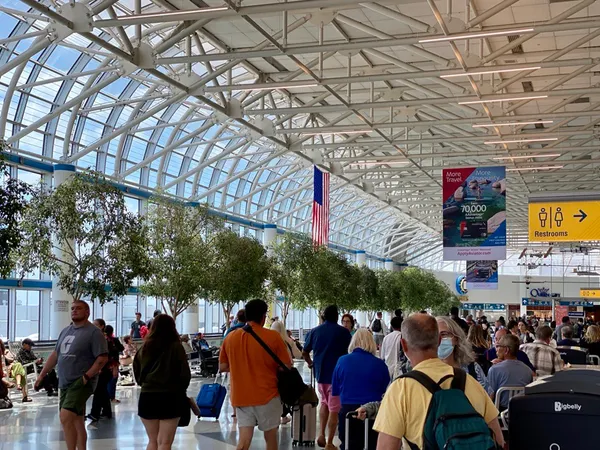
Disruptions intensify at Charlotte’s busiest travel hub
Charlotte Douglas International Airport faced elevated delays and cancellations as a partial shutdown of the U.S. Department of Homeland Security (DHS) continued into early March. Over the weekend preceding March 10, the airport logged 933 delays and 45 cancellations, reflecting operational stress during a period that is also approaching peak spring travel demand.
The immediate pinch point for many travelers has been the security screening process. With DHS unfunded, Transportation Security Administration (TSA) officers have remained on the job as essential personnel but have not been paid during the lapse in appropriations. That dynamic has increased the risk of staffing shortfalls driven by unscheduled absences, contributing to longer and less predictable checkpoint lines at airports across the country.
What the shutdown changes for travelers—and what it does not
The shutdown’s aviation impact is concentrated in DHS functions, particularly passenger screening. The Federal Aviation Administration’s core operations have not been driven by the same funding lapse, meaning air traffic control is not the primary shutdown-related lever in this episode. Even so, delays can compound quickly at Charlotte Douglas because it functions as a major connecting airport; congestion at security, missed boarding windows, or late aircraft arrivals can ripple through tightly scheduled turnarounds.
Security screening: Most TSA staffing is categorized as essential, keeping checkpoints open but raising the likelihood of line surges if staffing drops on short notice.
Flight schedules: Airlines may delay or cancel flights for multiple reasons, including crews and aircraft being out of position after earlier disruptions.
Program impacts: Some trusted-traveler services have faced interruptions during the shutdown period, creating additional uncertainty for frequent flyers.
How the weekend disruption showed up at CLT
Travelers reported longer security waits, while flight operations showed the classic pattern of network strain: a high number of delayed departures and arrivals, alongside a smaller but still significant number of cancellations. Even when cancellations are limited, delay totals in the hundreds can disrupt connections, complicate baggage transfers, and increase the number of passengers rebooked onto later flights.
For passengers, the practical effect is less about a single headline delay and more about unpredictability: variable checkpoint throughput, tight connection windows, and limited rebooking options during busy travel periods.
What passengers can do now
Airport and airline guidance during the shutdown has emphasized planning for extra time and monitoring flight status closely. Travelers departing from Charlotte Douglas have been advised to arrive earlier than usual, verify terminal and checkpoint conditions before leaving for the airport, and track airline updates for gate changes, delays, and rebooking instructions.
As long as the DHS funding lapse persists, Charlotte Douglas should be expected to experience intermittent stress on screening operations, with downstream effects that can surface as missed connections and rolling delays throughout the day.