Charlotte Fire Department increases readiness as ice storm warning persists and emergency calls rise citywide
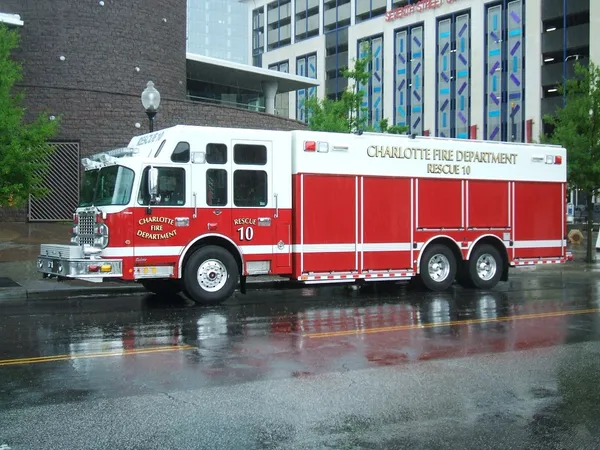
Icy roads and overnight emergencies push crews into winter-storm posture
Charlotte Fire Department crews moved into heightened readiness this weekend as freezing rain and sleet created hazardous travel conditions and increased the risk of weather-related emergencies across the city. The National Weather Service issued an Ice Storm Warning covering the Charlotte area from Saturday afternoon, Jan. 24, through Monday afternoon, Jan. 26, with ice identified as the primary hazard.
Firefighters reported responding overnight to multiple incidents tied to deteriorating road conditions, including a vehicle crash that required extrication and resulted in at least one person being transported to a hospital. Crews also handled a chimney fire in west Charlotte early Sunday morning, with no injuries reported.
Staffing expanded ahead of expected surge in 911 calls
City officials announced additional staffing and apparatus activations as part of Charlotte Fire’s winter storm response plan. The department has staged resources designed to handle downed trees and power-line hazards while keeping engine and ladder companies available for high-priority calls. Safety officers have also been assigned to monitor scene conditions as operations take place on ice, in wind, and in reduced visibility.
Local emergency leaders have warned that winter storms can shift call patterns, with increases commonly seen in medical calls, automatic fire alarms, carbon monoxide incidents, and weather hazards. Officials also cautioned that ice accumulations can quickly create dangerous conditions, especially on bridges and untreated road segments.
State of emergency declarations expand consumer protections and response options
In advance of the storm, state leaders issued a state of emergency that activated North Carolina’s price gouging law. Locally, Charlotte and several Mecklenburg County municipalities also declared a state of emergency as the region prepared for potential power outages, road closures, and disruptions to essential services.
Public safety guidance focuses on travel, heating, and carbon monoxide risks
Fire officials have urged residents to avoid travel when conditions worsen and to give emergency vehicles room to move through affected areas. They also emphasized winter-weather fire and poisoning hazards associated with alternative heat sources and power generation.
- Do not use grills, generators, or outdoor heating devices inside homes or garages due to carbon monoxide risk.
- Use space heaters cautiously and keep combustibles at least three feet away.
- Use fireplaces and candles carefully and keep flammable items away from open flames.
- Let faucets drip during cold nights to reduce the likelihood of frozen or burst pipes.
- Stay clear of downed power lines and call 911 to report hazards.
Officials said small choices—staying off icy roads and using heating equipment safely—can reduce injuries and prevent avoidable emergencies during prolonged freezing conditions.
City transportation officials said road crews would continue winter operations, but urged drivers who must travel to slow down, increase following distance, and anticipate sudden loss of traction as temperatures fluctuate.