Charlotte Fire Department warns rising costs and delayed purchases are nearing measurable impacts on core services
Cost pressures and procurement delays collide with staffing demands
Charlotte Fire Department leaders have signaled that escalating operating costs and long procurement timelines are narrowing the margin the city relies on to maintain consistent emergency coverage. The warning comes as budget planning for the next fiscal cycle accelerates and as public safety vacancies and compensation remain active topics in City Council discussions.
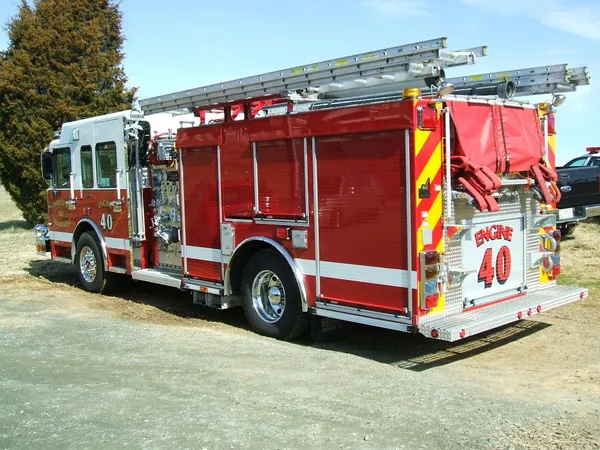
Fire agencies nationally have faced extended delivery schedules for major equipment and higher prices for specialized vehicles and components, trends that complicate long-range replacement plans. For a large municipal system, delays can have downstream effects: older apparatus staying in front-line service longer, maintenance demands rising, and fewer backup units available when vehicles are down for repairs.
Why delayed deliveries matter to response readiness
Fire engines, ladder trucks and other specialized units are not off-the-shelf purchases. They are built to specification, certified, and integrated into fleet and training plans. When delivery dates slip, departments typically bridge the gap by extending the life of existing vehicles, shifting units between stations, or holding reserve apparatus in front-line roles longer than planned.
Older vehicles generally require more frequent maintenance and parts replacement.
Time out of service for repairs can reduce operational flexibility across the city.
Planned upgrades tied to growth corridors or new stations can take longer to fully realize.
Charlotte has continued expanding infrastructure to meet growth, including placing Firehouse 30 into service as part of broader public safety and resilience initiatives. City leaders have also highlighted continued investments intended to support response times and staffing as part of recent budget actions.
Staffing, pay, and workload remain part of the fiscal equation
Alongside equipment costs, personnel expenses remain a central driver of fire-service budgets. Council discussions this year have included concerns about vacancies across public safety and the possible need for additional revenue to strengthen staffing levels. Firefighters and their representatives have also called for changes to pay and benefits as the city evaluates workforce competitiveness.
Operational demands extend beyond fire suppression. Charlotte Fire provides emergency medical response, technical rescue, hazardous materials mitigation, and prevention and inspection activities. Past reporting on the city’s inspection workload has shown how staffing constraints can surface outside 911 response, affecting code enforcement capacity and timelines for completing required inspections.
Charlotte’s budget debate is increasingly centered on whether current resources can keep pace with rising costs, delayed deliveries, and the staffing needed to sustain service levels citywide.
What comes next
The next budget cycle will determine whether Charlotte adds funding to offset higher equipment costs, reduce operational risk from delayed replacements, and address staffing and compensation pressures. City leaders are expected to continue budget workshops and committee review ahead of formal adoption later in the fiscal process.