Charlotte prepares for another round of winter weather as grocery staples and road-treatment resources tighten
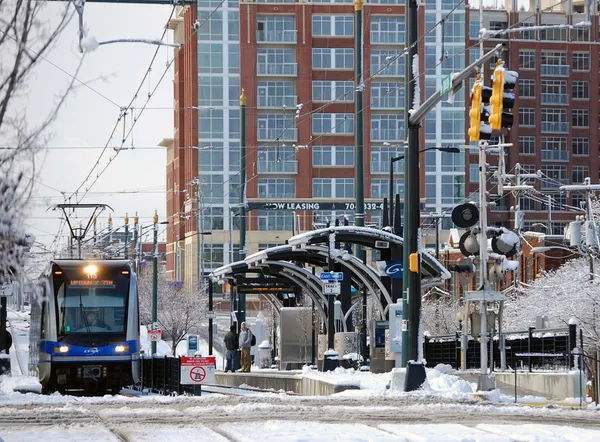
Cold pattern continues after late-January ice, with additional snow potential
Charlotte and much of the Carolinas remain in an unusually persistent winter pattern as forecasters track another potential round of snow after a recent storm delivered a mix of sleet and ice. The latest guidance points to renewed wintry precipitation late this week into the weekend, a setup that could keep travel conditions hazardous given nighttime temperatures expected to remain well below freezing.
Transportation officials have warned that repeated rounds of freezing temperatures can turn leftover moisture into black ice, especially on bridges, overpasses and lesser-traveled secondary roads. Even when daytime thawing occurs, refreezing after sunset can create patchy, difficult-to-see hazards that complicate commutes and slow emergency response times.
High demand hits grocery basics as households restock
Across the Charlotte region, shoppers have been moving quickly to restock essentials after the first storm disrupted routines and prompted many residents to prepare for potential power interruptions. In multiple stores, demand has been concentrated in familiar storm-prep categories such as bread, bottled water and other easy-to-store staples.
Retail supply chains typically stabilize quickly in a metro area the size of Charlotte. However, the combination of another possible winter system and lingering concern about icy roads has contributed to a compressed shopping window, leaving some locations with thinner inventories in high-turnover categories.
Road crews rely on brine and salt as freezing conditions linger
State transportation crews have been in active winter operations mode, using brine pretreatments and salt applications to reduce ice bonding on pavement and to improve traction once precipitation begins. The state’s winter response includes pretreating major routes, then prioritizing interstates and four-lane highways before moving to primary and secondary roads.
Officials have emphasized that road treatment is only one part of the risk equation: ice events can outpace treatment effectiveness when precipitation rates are high or when temperatures remain low enough to limit melting. Even after precipitation ends, extended cold can keep roads slick for days.
What residents can track in the next 48 hours
- Timing shifts: small changes in storm track can decide whether Charlotte sees more snow, sleet or freezing rain.
- Overnight lows: colder nights increase the likelihood of refreezing and black ice.
- Power reliability: ice-related outages can become more likely if freezing rain develops and accumulates on trees and lines.
Transportation leaders have repeatedly urged residents to avoid unnecessary driving during periods of ice and to prepare ahead of time so travel can be minimized if conditions deteriorate.
With another potential wintry round approaching, the near-term outlook for Charlotte hinges on precipitation type and duration. For households, the practical effect is immediate: tighter demand for everyday staples and heightened attention to road conditions in a region where prolonged ice is uncommon but highly disruptive.