Charlotte speed enforcement operation leads to 144 traffic stops and 173 charges across targeted corridors
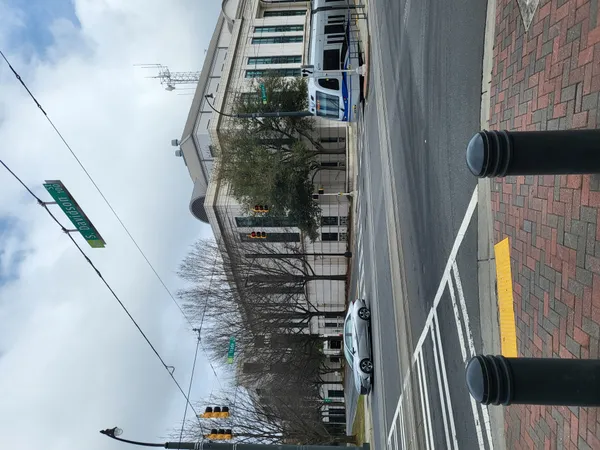
High-visibility enforcement focuses on speeding and related moving violations
A speed enforcement operation in Charlotte resulted in 144 traffic stops and 173 charges, reflecting an approach that pairs visible patrol activity with targeted enforcement in areas where speeding complaints and crash risks are frequently reported. The total charges exceeded the number of stops, a common outcome in traffic enforcement when a single stop results in multiple citations or criminal charges tied to driver behavior, licensing, or vehicle compliance.
Charlotte’s traffic enforcement strategy in recent years has increasingly emphasized “hot spot” and corridor-based operations—short, concentrated deployments intended to change driver behavior through visibility and deterrence. City traffic-safety planning has also highlighted speeding as a leading contributing factor in serious crashes, reinforcing the rationale for operations that prioritize speed checks alongside broader moving-violation enforcement.
How the results fit into a broader safety framework
Charlotte participates in the city’s Vision Zero framework, which sets a long-term goal of reducing traffic deaths and serious injuries. In that context, speed enforcement operations are often paired with other efforts that include impaired-driving enforcement, educational outreach, and identification of high-injury networks where severe crashes are more likely to occur.
Publicly released city materials summarizing enforcement activity show that traffic operations routinely generate large volumes of stops and charges over the course of a year, and that speeding violations make up a substantial share of total enforcement outcomes. These summaries also indicate that operations are typically scheduled as part of recurring work by specialized traffic units and patrol resources rather than as isolated events.
What “charges” can include in traffic operations
In Charlotte, a speed-focused operation can still produce a range of enforcement actions beyond speeding itself. Depending on what officers observe during a stop, outcomes may include:
- Moving violations such as reckless driving, improper lane changes, or failure to obey traffic signals
- Licensing-related offenses, including driving while license revoked
- Vehicle compliance issues, such as registration or equipment violations
- In some cases, arrests or criminal charges if evidence of unrelated criminal activity emerges during the stop
Traffic operations typically combine speed enforcement with checks for other high-risk driving behaviors that contribute to serious crashes.
Enforcement alongside capacity and policy constraints
Traffic enforcement in Mecklenburg County is also shaped by staffing levels and by how responsibilities are divided among agencies. The Mecklenburg County Sheriff’s Office has publicly described efforts to strengthen traffic enforcement capacity with specialized training and a dedicated traffic function, while emphasizing the need to balance traffic work with other operational demands. For CMPD, traffic operations are often conducted by dedicated units while patrol officers continue to respond to priority calls for service.
The latest operation’s figures—144 stops and 173 charges—offer a snapshot of how quickly enforcement totals can add up during concentrated deployments, and how traffic safety initiatives rely on repeated, targeted operations rather than one-time crackdowns.