Charlotte transit proposes new fare structure and payment cards as agency overhauls fare enforcement system
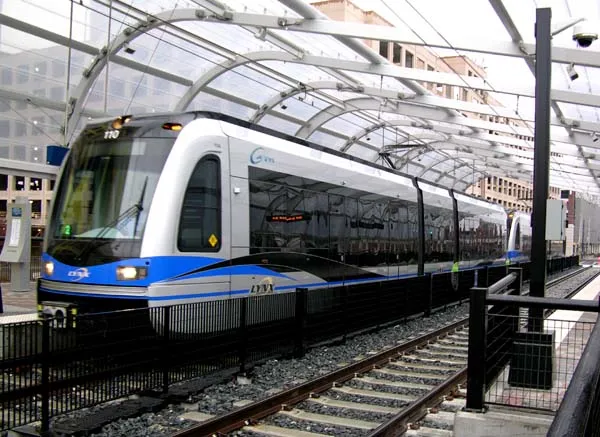
A broad fare modernization proposal moves into public input phase
Charlotte Area Transit System (CATS) is advancing a plan to change how riders pay across buses, light rail and the CityLYNX Gold Line streetcar, framing the proposal as an effort to simplify rules and improve consistency in fare collection. The initiative is part of a wider “Fare Modernization Program” launched roughly 18 months ago that reviewed CATS’ existing fare structure and policies.
Public engagement is underway. CATS has scheduled a virtual meeting from noon to 1 p.m. on Tuesday, Jan. 27, 2026, and a series of in-person meetings across the region. Listed sessions include Jan. 27 at the Charlotte-Mecklenburg Government Center, Jan. 28 at Cornelius Town Hall, Jan. 29 at the Ella B. Scarborough Community Resource Center, Feb. 3 at John T. Crawford Inspiration (Room 199), and Feb. 4 at the Valerie C. Woodard Center. CATS has said feedback can also be provided through an online survey through Feb. 19, 2026.
What CATS says is driving the change
CATS’ fare review identified several weaknesses in the current system, including the number of service types, higher weekly and monthly rates, confusing transfer rules and inconsistent enforcement. The proposed changes arrive amid heightened focus on fare compliance and safety across the light rail system, which relies on proof-of-payment rather than turnstiles.
On the LYNX Blue Line, riders are required to carry a valid, date- and time-stamped ticket or pass, and CATS notes that failing to possess a valid fare can result in a $50 citation. Tickets are typically purchased from station platform ticket vending machines, and cash is not accepted for Blue Line boarding.
Key elements under consideration
A new payment card that riders could purchase and reload at CATS service centers, designed to work similarly to transit cards used in other large U.S. cities.
Electronic validators on platforms across the system, intended to confirm proof of payment before riders enter designated paid areas.
Creation of clearly marked “paid zones” on train platforms and onboard, using signage to define where proof of payment is required.
Fare policy changes that also include a proposed streetcar fare: the Gold Line is currently fare-free “until further notice,” with CATS describing an eventual one-way fare of $2.20 when charging begins.
Enforcement, technology and the open-platform model
CATS has also been evaluating additional tools to reduce fare evasion within the existing open-access rail layout. The agency has discussed a concept that pairs platform validation points with surveillance cameras, using analytics to identify riders who pass validators without validating a fare. CATS data presented to the Metropolitan Transit Commission show more than 2,000 fare-evasion citations were issued in 2024.
CATS is collecting public input in late January and early February 2026 as it weighs changes to payment methods, validation and fare rules across the system.
What happens next
CATS has not presented a final implementation timeline in its public materials. The current phase centers on public meetings and survey feedback through Feb. 19, 2026, which is expected to inform decisions about fare structure simplification, payment options and the design of paid zones and validation requirements.