Charlotte’s transit overhaul funding: what the new sales tax means for property taxes and budgets
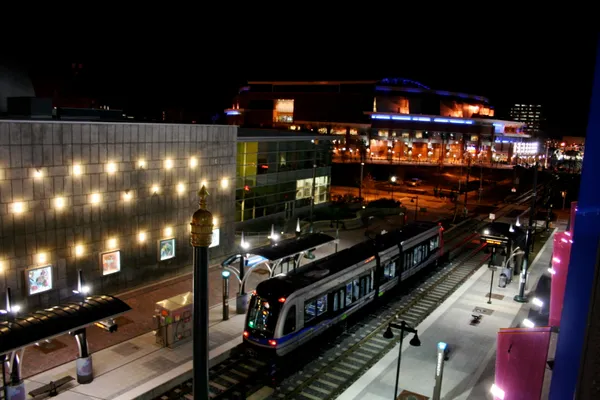
A major new transit funding stream is scheduled to begin in mid-2026
Charlotte and Mecklenburg County are preparing for a significant shift in how long-planned transportation projects will be financed, as a one-cent local sales tax increase approved by voters in November 2025 is set to take effect on July 1, 2026. The change raises Mecklenburg County’s general sales tax rate from 7.25% to 8.25% and is intended to fund a broad package of transit and roadway improvements over multiple decades.
The vote established a dedicated local revenue source designed to support major capital projects—including rail corridors, bus system upgrades and associated infrastructure—while also helping local agencies compete for federal transit dollars that typically require substantial local matching funds.
Does this mean higher property taxes to pay for transit?
The approval of a dedicated sales tax does not, by itself, require a property tax increase. City budget documents for the current fiscal year cycle have described a plan that avoids raising the municipal property tax rate, even as the region advances large transit goals.
However, property taxes remain relevant to transit in two ways. First, some ongoing transit operating costs have historically been supported through local general funds, which in Charlotte are largely backed by property tax revenue. Second, as new service is built and expanded, operating and maintenance costs generally rise alongside capital spending. Those costs can be covered by a mix of revenues—fare collections, dedicated taxes, state and federal support, and general fund allocations—depending on policy decisions made in annual budgets.
What’s in the transit plan—and what the sales tax can realistically cover
Regional transit planning over the past two decades has included multiple rail and rapid-transit corridors. Recent project cost estimates discussed publicly by transit officials place several proposed rail investments in the multi-billion-dollar range, and long timelines are expected for design, right-of-way, environmental review, procurement and construction.
The one-cent sales tax is projected to generate billions over time, but that revenue is not typically sufficient to build every proposed corridor without other funding sources. For the largest rail projects, the financing approach commonly assumes a combination of local revenues and federal grants.
- Effective date for the additional 1% Mecklenburg County sales and use tax: July 1, 2026
- New total sales tax rate in Mecklenburg County: 8.25%
- Primary purpose: transportation and transit investments, including major system expansion
Governance: a new regional authority will control key spending decisions
State legislation adopted in 2025 created the framework for a new transportation authority tied to the sales tax program. The structure is intended to centralize planning, oversight and allocation of funds across Charlotte and the surrounding towns in Mecklenburg County, reshaping how priorities are set and how projects move from planning to construction.
What residents are likely to notice first will depend on implementation schedules: some investments can proceed quickly (fleet, stations, service changes), while rail expansion typically unfolds over many years.
What to watch next
As July 1, 2026 approaches, the practical question for households is less about an immediate property-tax hike and more about budget choices: how quickly projects advance, how operating costs are covered as service expands, and how effectively local sales tax dollars are leveraged with state and federal funding. Those decisions will be reflected in future city and county budget cycles and in the project pipeline adopted by the new transportation authority.