CMPD SWAT standoff at east Charlotte apartment highlights negotiation tactics, safety perimeters, and limited public details
What was reported at the scene
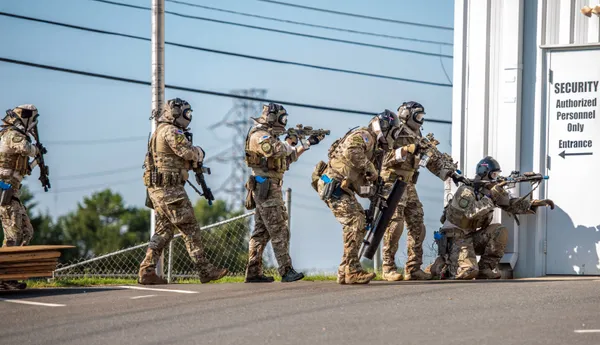
Charlotte-Mecklenburg police officers and specialized units were reported surrounding an apartment complex in east Charlotte during a standoff, with officers seen with guns drawn near Taurus Drive, just south of Central Avenue. Public information released at the time was limited, and authorities had not identified whom officers were seeking or what prompted the operation.
In standoff situations, police typically prioritize isolating the threat, protecting residents and bystanders, and creating conditions for communication with the person inside. The visible presence of tactical officers and a perimeter can indicate concerns that a person may be armed, refusing to comply, or otherwise creating a high-risk environment for officers and the public.
How CMPD standoffs are commonly handled
When SWAT teams and crisis negotiators are deployed, the incident generally shifts from rapid enforcement to controlled containment. A typical approach includes:
- Establishing an inner and outer perimeter to limit movement and protect nearby buildings.
- Evacuating or sheltering residents when conditions warrant, especially in multi-unit complexes.
- Deploying negotiators to seek a peaceful surrender and reduce the likelihood of force.
- Using less-lethal options and specialized equipment when needed to resolve a barricade safely.
Even when an event appears highly visible, law enforcement agencies may initially release few details to avoid compromising negotiations or officer safety, and to prevent misinformation from affecting compliance at the scene.
Why details can remain scarce in real time
In an active standoff, releasing specifics about the subject’s identity, tactics, or the nature of the call can create risks for officers and residents. If there are outstanding warrants, weapons concerns, or a mental health crisis component, agencies often wait until the scene is stabilized before confirming the underlying circumstances.
In Charlotte, recent high-profile, high-risk events have also reinforced how quickly encounters can escalate when firearms are involved, shaping a cautious and perimeter-based response model that emphasizes time, distance, and communication.
In multi-unit housing, police operations are frequently designed to separate the threat from the community first, then pursue resolution through negotiation whenever possible.
What residents should expect during a standoff
Residents near a police perimeter may experience road closures, restricted access to buildings, and instructions to shelter in place. Because apartment complexes can involve shared walls and hallways, officers may limit movement in and out until they can confirm the location of the subject and any potential risk to others.
Once resolved, agencies typically provide follow-up information such as whether anyone was taken into custody, whether injuries occurred, and whether criminal charges will be filed. At the time of the initial reports from Taurus Drive, those outcome details had not been publicly confirmed.