Detectives and genealogists renew push to identify Charlotte’s “Boxcar Boy,” found dead in 1932
A nearly century-old mystery returns to active investigation
Charlotte-Mecklenburg police and a New Jersey-based investigative genetic genealogy team have reopened efforts to identify an unknown teenage boy who died in Mecklenburg County in 1932, a case long known locally as “Boxcar Boy.” Investigators say the goal is to establish the boy’s identity and locate any living relatives who may still be searching for answers.
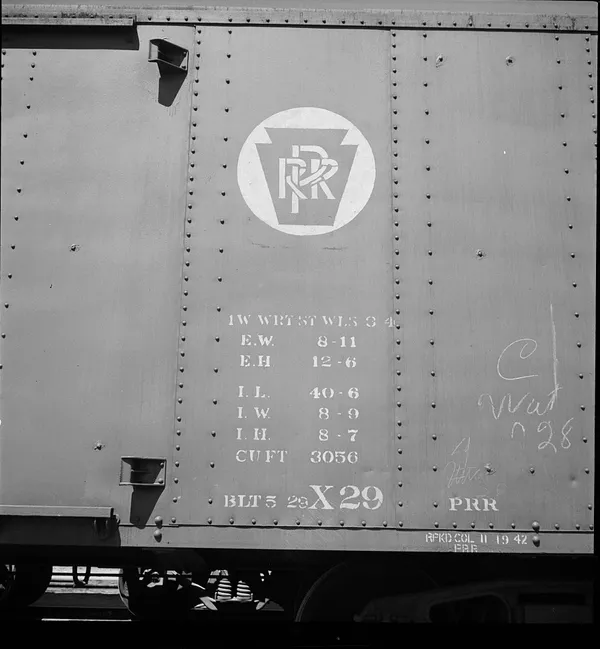
The case dates to September 25, 1932, when the teenager—estimated at 14 or 15 years old—was found dead in a railroad boxcar. Contemporary reports described a fatal accident involving steel beams inside the car while he was sleeping. Despite attempts to identify him at the time, the boy’s name was never confirmed.
Buried as unknown, remembered by the city
The boy was buried in the Potter’s Field section of Charlotte’s historic Elmwood Cemetery, a part of the cemetery historically used for people who died without identified family or resources for burial. Detectives say the community response in 1932 was notable: roughly 1,000 people attended the funeral, and donations included the suit placed on him in the casket.
Investigators describe the case as Charlotte’s oldest cold case with an unidentified victim.
The modern plan: exhumation and DNA-based identification
The new investigative strategy centers on exhuming the boy’s remains to obtain a DNA sample that can be used for genetic genealogy. The partnering genealogy center’s approach is to generate a DNA profile and then search for genetic relatives through available genealogy databases. Investigators say distant matches can sometimes be used to build family trees and narrow to a likely identity, especially when combined with historical records.
Detectives involved in the current work say an exhumation would be followed by reburial. The partnering team has also launched a fundraising effort to cover the costs associated with exhumation, laboratory work, and reinterment.
Why identification is difficult in cases this old
Cold-case experts note that successful DNA identification depends on multiple factors, including the condition of remains after decades underground and whether enough genetic material can be recovered to build a usable profile. Even with a profile, identification may require the presence of relatives in genealogy databases and the ability to confirm a match through documentary evidence such as birth records, census data, and family histories.
Age of the case: Nearly 94 years have passed since the boy’s death in 1932.
Historical gaps: Missing-person reporting and record-sharing were limited by era and geography, especially during the Great Depression.
Scientific limits: DNA recovery can be challenging in older burials, sometimes requiring specialized laboratory methods.
What investigators are asking now
Detectives say the renewed effort is intended to return a name to a victim who, despite public attention in 1932, remained unidentified. Anyone with family stories of a missing teen from the early 1930s—particularly involving rail travel—may be encouraged to contact law enforcement to help investigators compare historical leads with any future genealogical findings.