Detectives investigate homicide along a dirt road in west Charlotte as police seek public information
What investigators have confirmed so far
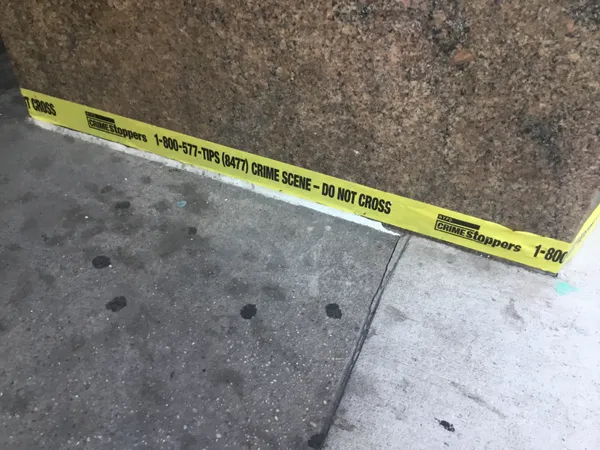
Detectives are investigating a homicide after a person was found dead along a dirt road in west Charlotte, prompting a crime-scene response and a continuing search for information that could identify who was responsible.
The Charlotte-Mecklenburg Police Department’s Homicide Unit is leading the investigation. As is typical in homicide cases, detectives work alongside crime-scene personnel to document the area, collect physical evidence, and develop a timeline of events based on what can be confirmed at the scene and through follow-up interviews.
How homicide investigations typically proceed in Charlotte
In Charlotte, homicide cases generally move through several early steps that determine the direction and speed of the investigation. Detectives aim to identify the victim, notify next of kin, determine the cause and manner of death through the medical examiner process, and establish where the fatal injuries were inflicted versus where the victim was located.
Investigators also examine whether the location is a primary scene, a secondary location where a victim was moved or where a vehicle stopped, or an area where evidence may have been discarded. Dirt roads and less-traveled corridors can complicate evidence collection because weather, passing vehicles, and foot traffic can quickly degrade or disturb trace evidence.
What police are asking the public to do
Detectives are seeking help from anyone who may have been in the area or who may have noticed unusual activity near the dirt road around the time of the killing. In homicide inquiries, seemingly minor observations can become significant when combined with other details, including:
- Vehicles parked where they do not typically stop, especially late at night or early morning
- Gunshots, shouting, or signs of a fight
- People walking away from the area, changing clothes, or discarding items
- Unusual ride-share drop-offs, pickups, or sudden departures
- Home or business surveillance video that captured passing traffic or individuals nearby
What remains unknown
Key facts that determine the public narrative of a homicide case remain unconfirmed until investigators release them, including the victim’s identity, the exact time of the killing, whether a weapon has been recovered, and whether detectives believe the death resulted from a targeted attack or a confrontation that escalated.
Police have not announced an arrest in connection with the homicide. Detectives typically avoid disclosing certain investigative details early in a case to preserve witness statements, prevent contamination of tips, and maintain the integrity of evidence that may later be used in court.
Anyone with information that could help identify a suspect or clarify what happened is encouraged to contact detectives directly through the department’s established tip line, or submit information anonymously through local crime-stopper channels.
Why location matters for investigators
When a homicide is discovered along a dirt road, investigators must determine whether the killing occurred there or whether the location was used to conceal the crime. That distinction influences canvassing strategy, video searches, witness outreach, and the geographic focus of evidence recovery. Detectives typically expand the search area to nearby intersections, likely access points, and routes that vehicles would use to enter or exit the corridor.
The investigation remains active.