Drivers report tire damage from pothole on private loop road at Charlotte’s Whitehall Commons center
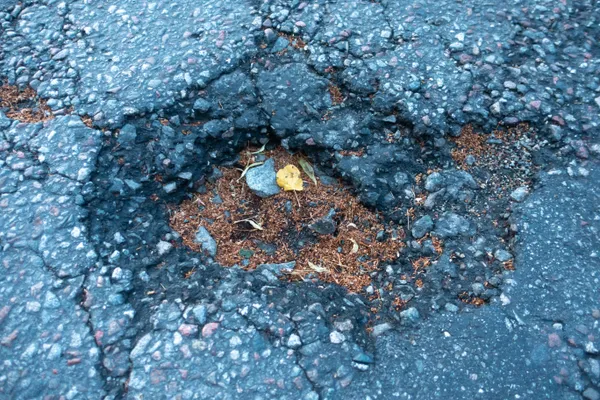
Repeated tire damage complaints spotlight maintenance responsibility on private commercial roadways
Several drivers say a pothole on a loop road inside the Whitehall Commons shopping center in southwest Charlotte has caused costly tire damage, raising questions about who is responsible for repairs and how motorists can pursue reimbursement when damage occurs on private property.
One shopper said a routine stop for breakfast turned into an unexpected expense after a vehicle struck a pothole on the center’s loop road. The driver reported needing two replacement tires, with total costs estimated at about $500. Another motorist who stopped at the site reported a similar outcome, also requiring two tires to be replaced.
The roadway in question is within the shopping center’s internal traffic pattern rather than a city-maintained street. The issue drew attention to the dividing line between public and private infrastructure: while many drivers experience potholes on city streets and state highways, commercial centers often contain privately owned roads and parking areas where maintenance and liability can be less clear to the public.
In this case, the property-management company for the shopping center indicated that the grocery store anchor owns the loop road and said it had previously alerted the business about pothole concerns. After the issue was raised again, the pothole was patched.
What motorists can document after a pothole strike
Consumer and claims guidance for pothole incidents generally centers on documentation and identifying who controls the roadway where the damage occurred. Motorists who believe a pothole caused damage can take steps that help substantiate a claim, regardless of whether the road is public or private:
- Photograph the pothole and the surrounding area, if it can be done safely.
- Photograph vehicle damage, including tires and wheels.
- Keep receipts, repair invoices, and written estimates.
- Record the date, time, and precise location, including the nearest store entrance or internal roadway name if available.
Filing claims: city streets, state highways, and private property differ
For potholes on city-maintained streets, Charlotte’s Risk Management process requires a written claim submission and an investigation before any liability decision. The city notes that the review timeline can take several weeks or longer depending on circumstances.
For potholes on state-maintained roads in North Carolina, vehicle owners can file a property damage claim through the state transportation department. Claims tied to pothole damage are typically reviewed to determine whether the agency had notice of the defect and whether it was addressed within a reasonable time. Denied claims may be appealed through a state process.
On private property, reimbursement is typically handled through the property owner, the entity responsible for maintenance under lease or management agreements, or their insurers—arrangements that are not always visible to customers. The Whitehall Commons incident underscores how quickly a maintenance issue on a heavily used internal roadway can create recurring costs for motorists before repairs occur.
When damage happens on a private shopping center roadway, the first challenge is often identifying the responsible party before a claim can even be evaluated.