Extreme weather protocols expand shelter capacity and transit access for unhoused residents across Charlotte-Mecklenburg
Expanded shelter operations activated during cold-weather events
Extreme weather protocols are used across Charlotte-Mecklenburg to temporarily expand shelter access when forecasts call for hazardous cold. The measures are designed to add indoor capacity, extend service hours at key day centers, and coordinate transportation for people experiencing unsheltered homelessness.
Protocols have been activated repeatedly in recent winters when temperatures were projected to reach near-freezing or below-freezing levels over multiple days. When in effect, local government and nonprofit partners coordinate operations so that shelter entry points, outreach, and transit options align with the hours that individuals can present for help.
Where shelter beds and day services are directed during activation
During protocol periods, shelter access is typically organized by population served. Roof Above provides shelter and expanded capacity for men at its Charlotte locations, with evening intake times published for each activation. The Salvation Army Center of Hope provides shelter and expanded capacity for women and families at its Spratt Street facility during posted intake windows.
Protocols also extend beyond overnight beds. Day-service sites are used as warming resources and connection points to services. Roof Above’s Day Services Center on North College Street has operated with modified schedules during activations, while Block Love Charlotte’s Day Services Center on North Graham Street has offered extended daily hours during certain events to provide indoor space and basic amenities for people who remain unsheltered.
Men: Shelter access is directed to Roof Above locations, with intake beginning in late afternoon during activations.
Women and families: Shelter access is directed to the Salvation Army Center of Hope during scheduled intake windows.
Daytime warming and services: Day centers have expanded hours in some activations to provide indoor respite and support.
Transportation support and outreach to unsheltered encampments
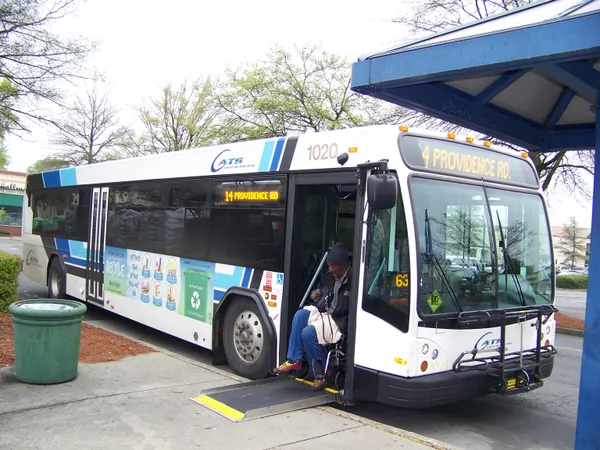
Public transit has been incorporated into protocol planning. During some activations, Charlotte Area Transit System (CATS) buses have provided transportation to designated shelter locations at no charge, with riders asked to tell the driver their destination shelter. Separate activations have also included route-specific guidance for travel to shelter and day-service sites.
Street outreach teams have been deployed during activations to visit encampments, encourage shelter use, and provide winter supplies for individuals who decline to come indoors. The approach aims to reduce immediate cold exposure while maintaining ongoing contact with people who may not enter shelter that night.
Facility expansion work tied to weather-related capacity needs
Beyond short-term protocol activations, shelter providers have pursued long-term capacity improvements. In late 2025, a shelter expansion project at the Salvation Army Center of Hope broke ground with public funding support and private donations. Plans include additional multi-purpose space intended to help the facility function during inclement weather, along with improvements such as private rooms and an expanded dining area.
When protocols are activated, the operational goal is consistent: increase indoor options, align hours and access points, and remove barriers to transportation during dangerous cold.
Officials have indicated that shelter utilization is monitored during these events, with partners adjusting operations as conditions evolve and forecasts change.