Federal transit audit finds 18 safety compliance gaps at Charlotte’s CATS after 2025 light-rail killing
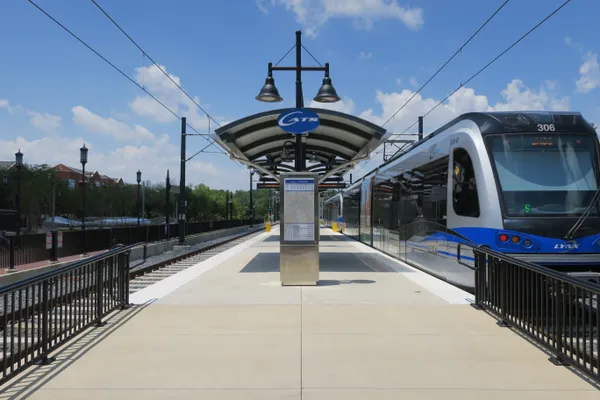
Audit expands federal scrutiny of Charlotte transit safety programs
A federal audit released Monday, Feb. 2, 2026, identified 18 areas in which the Charlotte Area Transit System (CATS) did not meet federally required safety program standards, escalating scrutiny that began after the fatal stabbing of a passenger aboard the Lynx Blue Line in 2025.
The Federal Transit Administration (FTA) said its review found non-compliance in multiple elements of the Public Transportation Agency Safety Plan framework, including how CATS assesses and manages risk, verifies that safety fixes are completed, and trains staff in de-escalation. The audit was tied to an investigation opened in September 2025 following the death of Iryna Zarutska, 23, who was killed in an attack on a light-rail train on Aug. 22, 2025.
What the audit says CATS must fix
The audit focused on whether CATS’ internal safety program and its implementation meet federal requirements for public transit agencies. The FTA said it reviewed CATS’ Agency Safety Plan and related documentation and conducted virtual and on-site interviews. The result was 18 findings requiring corrective action.
- Safety performance targets: the audit said CATS did not meet requirements tied to general safety performance targets under the federal program.
- Safety risk management for assaults: the audit said CATS was not consistently using the risk assessment processes described in its own safety plan when evaluating the risk of assaults on transit workers.
- De-escalation training: the audit found CATS did not meet federal requirements for de-escalation training.
The FTA directed CATS to submit corrective action plans addressing all findings within 30 days of the report’s release. Federal officials said they will review those plans, require revisions if needed, and monitor progress through scheduled meetings until requirements are met.
How the investigation began and what federal officials highlighted
Federal officials opened the investigation in September 2025, citing concerns about assaults and safety risks to both transit employees and riders. In its public statements, the agency pointed to 2025 rates that it described as far higher than national benchmarks: assaults on transit workers were characterized as five times the national average, while crimes against riders were described as three times the national average.
Local context: transit security and policy shifts after the 2025 killing
The Blue Line killing intensified public debate over the visibility and role of security on trains, stations and adjacent pedestrian corridors. After the attack, CATS publicly discussed steps that included expanded fare enforcement and increased security presence in the system. Charlotte City Council also approved a mutual-aid arrangement intended to broaden where transit security could enforce laws in areas surrounding transit property, including segments adjacent to the rail corridor.
The new federal findings place CATS’ safety governance—how it identifies risk, documents fixes and trains personnel—at the center of the next phase of oversight.
With the corrective-action deadline now set for early March 2026, the practical impact for riders will depend on whether federal reviewers determine that CATS’ plans are specific, measurable and implemented on a timeline that reduces the risks highlighted in the audit.