Freezing temperatures across Charlotte trigger new pipe-freeze warnings as ice storm conditions linger into Tuesday
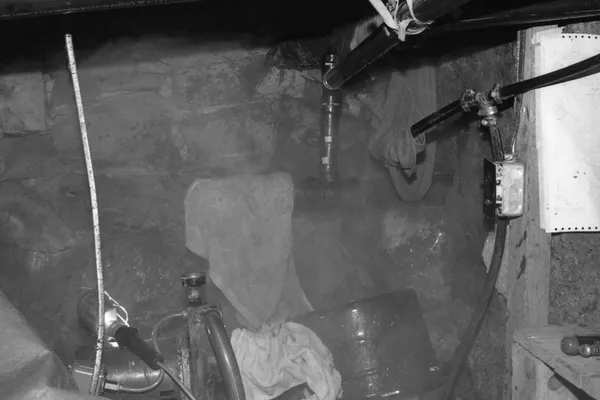
Cold snap increases risk of frozen and burst pipes
Charlotte residents are facing an elevated risk of frozen plumbing as subfreezing air follows an ice-producing winter storm that prompted emergency declarations across Mecklenburg County and nearby towns. Local government messaging has emphasized that overnight freezes can become more damaging when temperatures remain below 32°F into the following day, increasing the likelihood that water sitting in lines will freeze, expand, and rupture pipes.
The current weather pattern has combined wintry precipitation with prolonged cold, a setup that can strain both household plumbing and outdoor water equipment. In Charlotte, officials have paired travel-safety guidance with reminders about protecting pipes and preparing for rapid changes once thawing begins.
What city guidance says to do before pipes freeze
City guidance circulated during the storm response highlights several straightforward steps designed to reduce pipe exposure to cold air, particularly in kitchens, bathrooms, garages, crawl spaces, and basements—areas where plumbing is often closest to uninsulated exterior walls.
- Open cabinet doors beneath sinks at night so warmer indoor air can circulate around plumbing.
- Disconnect garden hoses from outdoor spigots to reduce the chance of freezing at exterior connections.
- Seal openings and air leaks in crawl spaces or basements to limit cold-air intrusion.
If a pipe freezes: reduce pressure and know your shutoff
When a private pipe freezes without visible leaks, Charlotte’s water utility recommends keeping calm, slightly opening faucets to give melting ice a path to escape, and being prepared to shut off water quickly if a weakened pipe fails during thawing. The guidance focuses on preventing pressure buildup—one of the factors that can turn a freeze into a burst.
In a freeze-thaw cycle, damage is often discovered after temperatures rise, when ice begins to melt and pressurized water finds fractures in weakened pipe sections.
Residents are advised to locate the home’s master shut-off valve in advance. Typical locations vary by construction type: homes with basements or crawl spaces often have the main shutoff near the front wall closest to the street, while slab-built homes may place the shutoff near the water heater or in a garage. Having that location identified ahead of time can limit water damage if a pipe ruptures.
Why the warning matters during and after ice events
Ice storms can create prolonged outages and limit mobility, complicating access to repairs and emergency supplies. That can make basic preventive steps more consequential than during a brief overnight freeze. Officials have also encouraged residents to use local service channels for non-emergency assistance related to damaged meter boxes or water service issues, while emphasizing that immediate threats to life safety should be handled through emergency response.
With temperatures expected to stay cold into early week, city guidance remains focused on reducing exposure, preparing for thaw-related leaks, and minimizing avoidable property damage during a period when response times may be slower due to storm impacts.