In Charlotte, Gov. Josh Stein presses lawmakers for pay raises and staffing support for law enforcement
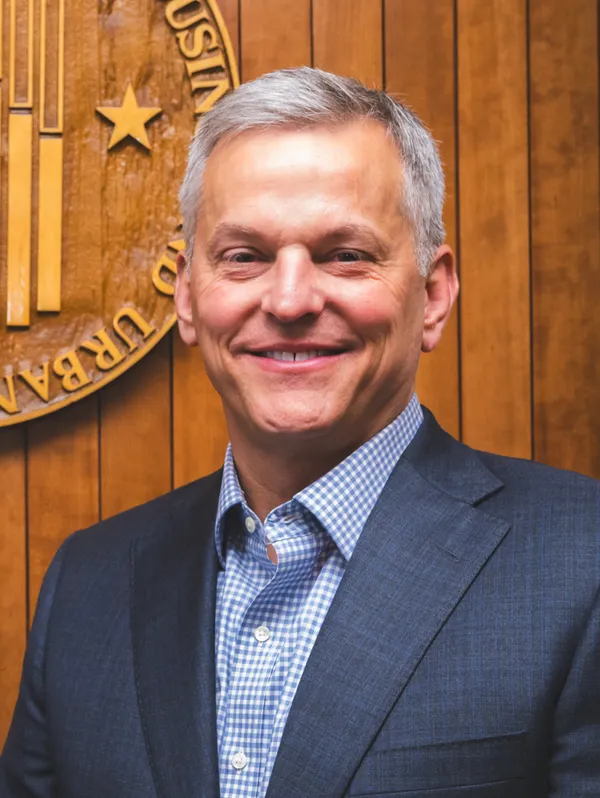
A public safety message tied to recruitment, retention, and wider state budget negotiations
North Carolina Gov. Josh Stein used a Charlotte appearance this week to renew his call for higher pay for law enforcement officers, framing the request as part of a broader strategy to strengthen public safety through staffing stability, training capacity, and complementary investments in services that reduce crisis-driven police calls.
The governor’s push in Charlotte follows a series of budget proposals and public remarks in which he has emphasized pay and recruitment challenges across public safety agencies. In a fast-tracked “critical needs” budget proposal released March 9, 2026, Stein proposed a $1.4 billion package that included funding for Medicaid and pay increases for multiple categories of public servants, explicitly including law enforcement.
What the governor is seeking
Stein’s budget documents and public statements have consistently linked compensation to recruitment and retention pressures in state public safety roles. His proposals have described salary increases for state law enforcement and corrections personnel, along with additional measures designed to support hiring pipelines and stabilize staffing.
In prior budget materials and statewide remarks, the governor has also backed targeted public safety initiatives—such as expanding specialized enforcement capacity and improving cross-agency coordination—while arguing that day-to-day community safety depends on adequately staffed and trained officers rather than temporary deployments.
- Pay increases for state law enforcement and other public employees as part of a broader budget plan.
- Measures intended to improve recruitment and retention, including incentives tied to entry and training pathways.
- Related public safety investments, including specialized enforcement capacity and system coordination.
How mental health staffing fits into the public safety argument
In Charlotte, Stein has also tied public safety outcomes to the capacity of North Carolina’s behavioral health system. He has argued that insufficient staffing in mental health care contributes to crises that frequently involve law enforcement, and that improving access and staffing can reduce pressure on officers and emergency response systems.
Stein has emphasized that public safety policy includes both traditional enforcement and the staffing needed to ensure people in crisis can access appropriate care.
What happens next
Stein’s call for raises does not take effect without legislative action. North Carolina’s General Assembly controls appropriations, and the pay and staffing proposals will be negotiated alongside other spending priorities during budget deliberations.
For Charlotte-area agencies and communities, the outcome will shape the state’s ability to compete for officers, maintain staffing levels, and support training and retention at a time when local and state leaders continue to debate how best to respond to public safety concerns across Mecklenburg County and the broader region.