NCDOT details Charlotte-area road response as weekend snowstorm leaves hazardous travel and lingering ice risks
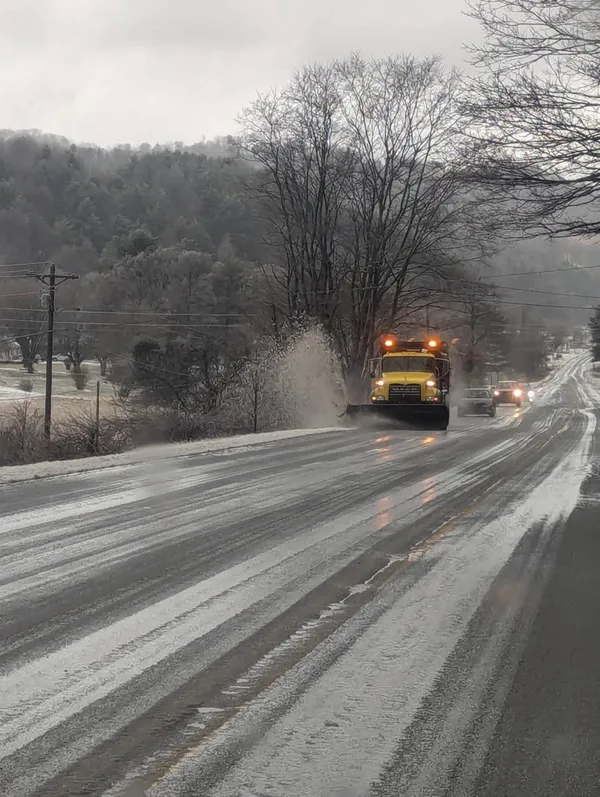
Charlotte region faces hazardous travel as crews shift from pretreatment to snow-and-ice clearing
Transportation officials provided a Charlotte-area operational update during the weekend winter storm as heavy snow and high winds spread across North Carolina and drove widespread travel disruptions. State officials repeatedly urged residents to avoid unnecessary travel, warning that road conditions could deteriorate quickly and remain dangerous as temperatures stayed well below freezing.
The storm produced significant snowfall in the Charlotte area on Saturday, Jan. 31, and left many primary and secondary roads compacted with snow by Sunday, Feb. 1. In many neighborhoods, untreated residential streets were worse than main routes, and a layer of ice left from the prior winter event remained trapped beneath fresh snow in some locations, increasing the risk of vehicles losing traction.
What NCDOT said it had in place before the storm
Before the system arrived, state transportation officials described a multi-day preparation plan focused on pretreatment, staffing, and equipment readiness. Ahead of the weekend storm, crews had applied more than 3.2 million gallons of brine statewide to help prevent ice bonding to pavement. For the second major winter event of the month, the agency said it would deploy more than 1,100 employees and contractors for pretreatment, with a larger roster of resources available for plowing and salting once conditions allowed.
- Over 1,250 dump trucks that can be equipped with plows and spreaders, plus 913 contracted trucks.
- 217 motor graders and more than 150,000 tons of salt staged for winter operations.
- Round-the-clock work plans once snow and ice began accumulating, with an emphasis on interstates and primary routes before moving to secondary roads.
Why conditions can remain dangerous after snow stops
State officials warned that extreme cold can prolong hazards even after precipitation ends. When daytime temperatures rise enough for partial melting, moisture can refreeze overnight, creating black ice on previously cleared or improving roadways. Officials also cautioned that high winds can reduce visibility and create drifting snow that re-covers treated lanes.
Officials emphasized that travel may remain risky even as plowing and salting continue, particularly where wind-driven snow, refreezing, and underlying ice limit traction.
Broader impacts in and around Charlotte
The weekend storm coincided with major disruptions beyond road travel. Charlotte-Mecklenburg Schools announced a closure for Monday, Feb. 2, and aviation interruptions affected the region as carriers canceled large numbers of flights over the weekend.
Transportation officials continued to direct drivers to check real-time road conditions before traveling and to delay trips where possible while crews prioritize clearing state-maintained routes.