NCDOT to open community engagement center as I-77 South express lanes planning enters key phase
A new public-facing hub as design and procurement advance
The North Carolina Department of Transportation plans to open a community engagement center along the I-77 South project corridor as it extends its listening period for the proposed express lanes. The center is intended to provide residents with in-person and virtual access to project staff, including one-on-one meetings and scheduled office hours. A timetable for appointments and virtual availability is expected to be posted in April 2026.
The agency has also adjusted its near-term procurement calendar. State transportation officials have said the first draft Request for Proposals (RFP) for a private-sector partner is now expected in late June 2026, following an expanded engagement window running from March through June.
What the I-77 South project would change
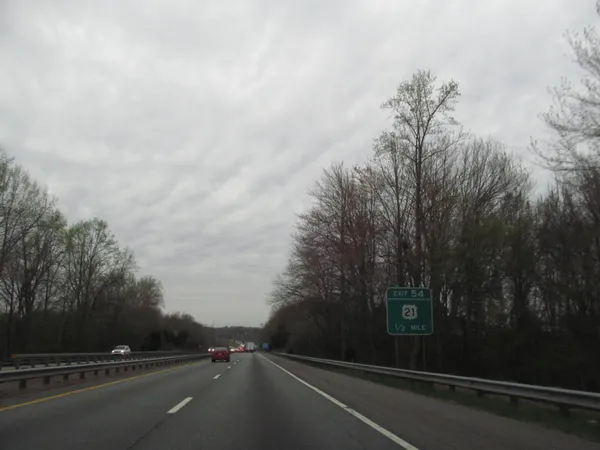
The proposal, known as the I-77 South Express Lanes project (STIP I-5718), would upgrade about 11 miles of Interstate 77 from the South Carolina state line to the I-277/N.C. 16 Brookshire Freeway area. Project materials describe the corridor as carrying roughly 160,000 vehicles per day, with travel times that can vary widely depending on peak conditions.
Under the current concept, the project would add managed express lanes with all-electronic tolling. The toll lanes would operate alongside non-tolled general-purpose lanes, maintaining a free option for drivers who do not choose to use the express lanes.
Toll collection would be electronic at highway speeds, without toll booths.
Planned toll-free users include emergency vehicles, Charlotte Area Transit System vehicles, and qualifying carpools meeting the HOV 3+ threshold, as defined by the project’s current operating framework.
A low-income toll discount program is planned as part of the project’s stated policy approach.
Design options and environmental review remain underway
NCDOT describes the project as being in an early design stage—about 10% to 15% complete—with final design not expected until at least the end of 2027. Construction is not anticipated to begin until the early 2030s, leaving several years for environmental review and design refinement.
Project documents outline multiple alternatives under consideration for the environmental assessment, including an at-grade build approach and an elevated build approach, as well as a no-build alternative. The environmental process is expected to include additional public involvement, with a formal public hearing for the environmental assessment anticipated in mid-2026.
A public-private partnership and the next decision points
NCDOT is pursuing the project through a public-private partnership model, under which private-sector teams would compete to design, build, finance, operate and maintain the express lanes while the state retains ownership and oversight. The agency has said it is emphasizing competition and innovation in procurement, including efforts to reduce community impacts.
“This project design is in its very early stages, and we want the public to know there is significant time remaining for their voices to be heard,” NCDOT Secretary Daniel Johnson said in announcing the expanded engagement timeline.
With the draft RFP targeted for late June 2026 and environmental milestones expected later this year, the engagement center is positioned as a long-running point of contact during a period when project details, mitigation strategies, and corridor design are still being shaped.