Old Dominion University shooting suspect had documented North Carolina gun-seeking trip and other regional connections
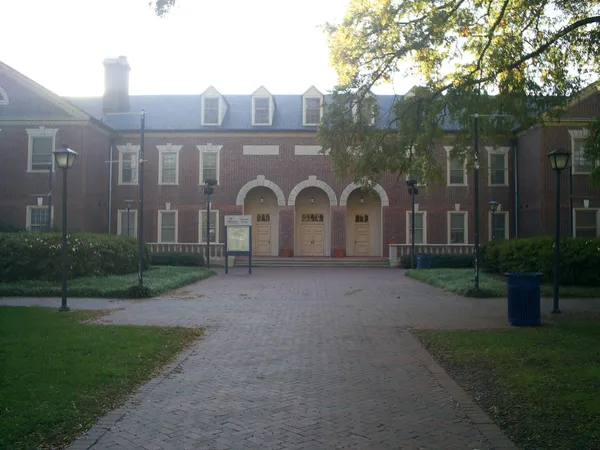
What happened at Old Dominion University
A shooting on the Old Dominion University campus in Norfolk, Virginia, left multiple people dead and injured Thursday, March 12, 2026, and ended when students intervened and the suspected shooter died at the scene.
Authorities said the gunfire erupted inside a classroom in Constant Hall, a building on the university’s main campus. Emergency alerts later declared there was no longer an active threat, and the university suspended classes and operations on the main campus through Friday while the investigation continued.
Suspect identified; terrorism investigation opened
Federal authorities identified the suspected shooter as Mohamed Bailor Jalloh. Investigators said the case is being handled as an act of terrorism. Authorities also said Jalloh previously served in the Army National Guard and had a prior federal conviction tied to attempting to support the Islamic State group.
During a news briefing, officials described a rapid response that included student action to stop the attack. Investigators said the suspected shooter was not shot by police, and the precise medical circumstances of his death remained under review as the investigation began.
Verified links to North Carolina and why they matter in Charlotte-area coverage
While Jalloh was associated in public records with Northern Virginia, court filings and Justice Department statements in his prior federal case place him in North Carolina during efforts to obtain weapons.
In that earlier prosecution, federal authorities said Jalloh traveled to North Carolina in June 2016 and attempted—unsuccessfully—to obtain firearms. Separate federal case materials state he also tried to purchase an AR-15-style rifle at a Virginia gun store but was turned away for lacking required paperwork. These details are now part of the factual backdrop investigators and the public are revisiting as they try to understand how Thursday’s attack was carried out and whether any support networks or preparatory activity extended beyond Virginia.
June 2016: Federal authorities previously documented a North Carolina trip connected to unsuccessful attempts to obtain firearms.
2016 federal case: Authorities said he attempted to provide material support to ISIL, leading to an 11-year prison sentence and a term of supervised release.
What investigators have not said
Officials have not publicly detailed any specific ties between Jalloh and Charlotte or Mecklenburg County, and no public briefing Thursday identified Charlotte-area residences, workplaces, or associates connected to the suspect. Authorities also have not released a final accounting of the sequence of events inside the classroom beyond initial summaries, nor have they provided comprehensive details on the weapons used, how they were acquired, or whether any additional individuals face scrutiny.
Authorities said the investigation remained in its early stages Thursday, with additional details expected as interviews, digital evidence review, and forensic work continue.
What comes next
Investigators are expected to continue examining Jalloh’s documented history, including prior federal court records and movements across state lines, as they determine motive, method, and whether any actionable warning signs were missed. University officials said counseling and support services would remain available as campus operations were adjusted in the immediate aftermath.