One person killed in early-morning I-85 South crash, highlighting recurring safety risks on Charlotte’s corridor
What happened
One person was killed in an early-morning crash on Interstate 85 South, prompting a temporary shutdown and significant traffic disruption as emergency crews worked the scene and investigators documented the collision.
Authorities have not publicly released a full account of what caused the wreck or whether additional vehicles were involved. In fatal collisions, investigators typically secure lanes for an extended period to preserve evidence and reconstruct events, which can include measurements, photography, and mapping of vehicle positions before debris is cleared.
Emergency response and traffic impact
Fatal interstate crashes in the Charlotte region routinely trigger multi-hour lane closures because the roadway itself becomes part of the investigation. In the I-85 South incident, traffic was diverted while first responders assisted victims and law enforcement assessed the crash scene. North Carolina’s primary interstate corridors—particularly I-85 near key interchanges and exits—can experience rapid congestion when even a single lane is blocked.
Why this stretch matters
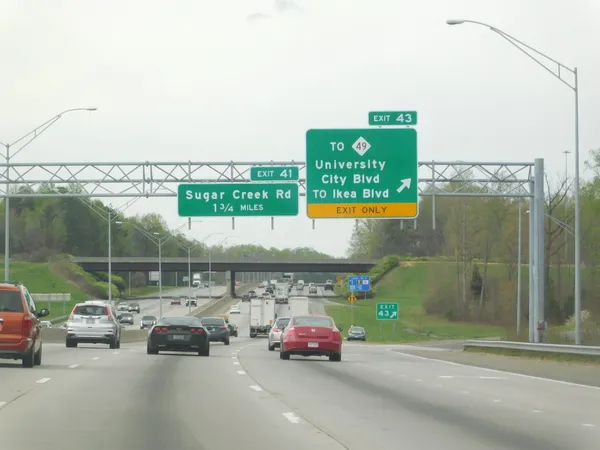
I-85 is one of the region’s most heavily used routes, connecting Charlotte with the University City area, Cabarrus County, and the I-77 interchange. Recent years have included multiple serious and fatal crashes on I-85 in and around Charlotte, including incidents that closed lanes for hours and involved multiple injuries. These events frequently occur overnight or in the early morning, periods associated with reduced visibility, higher speeds, and a higher likelihood of impaired or fatigued driving compared with peak commuting hours.
What remains unknown
As of publication, critical details have not been confirmed publicly, including:
- the exact crash location and direction of travel within the I-85 South lanes,
- the number of vehicles involved,
- whether speed, impairment, distraction, or mechanical failure are suspected factors,
- the identity of the person who died and whether next of kin have been notified.
What to expect next
In fatal wreck investigations, additional information often emerges in stages—first through confirmation of the victim’s identity, then through a preliminary finding on contributing factors, and later through any charges or citations if investigators determine violations occurred. A full determination can take weeks or longer, particularly if crash reconstruction is required.
If you witnessed the crash or have relevant video, preserve the original file and be prepared to provide it to investigators upon request.
This article will be updated as authorities release confirmed details about the crash circumstances, victim identification, and any enforcement actions.