Pregnant Charlotte wife’s eight minutes of CPR helps husband survive cardiac arrest before baby’s birth
A collapse at home and a race against time
A Charlotte family’s medical emergency that began inside their home in late December 2024 has become a case study in how bystander CPR, rapid dispatch and advanced resuscitation efforts can intersect to change an outcome.
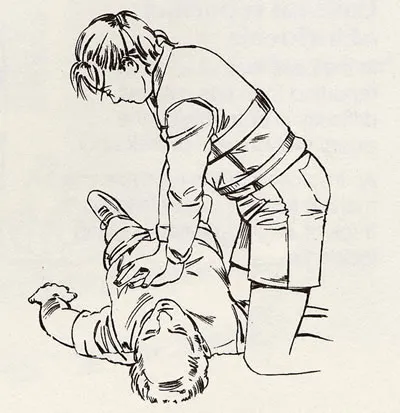
Kurt Rosalik, 41, suffered a sudden cardiac arrest at home in East Charlotte on Dec. 29, 2024, after collapsing while asleep. His wife, Polyana Rosalik, who was about eight months pregnant at the time, called 911 and began chest compressions. The CPR continued for about eight minutes until first responders arrived and took over.
What happened after responders arrived
After emergency crews reached the home, resuscitation continued. During the effort, responders delivered multiple defibrillation shocks. The goal in these cases is to restore a perfusing heart rhythm quickly enough to limit organ damage, particularly to the brain.
Rosalik was transported to intensive care and was initially intubated. Early updates shared by the family described a difficult recovery path that included the likelihood of inpatient rehabilitation to rebuild strength and address post-arrest impacts that can include fatigue, weakness and cognitive challenges.
Training that proved immediately relevant
The couple had taken a CPR course weeks earlier as they prepared for the baby’s expected February 2025 arrival. That preparation became critical when cardiac arrest struck at home, where outcomes depend heavily on the first minutes before professional help arrives.
In bystander-witnessed cardiac arrest, continuous chest compressions can keep oxygenated blood moving to the brain and other vital organs while an automated external defibrillator (AED) or advanced care is on the way.
A reunion in February 2026 highlights the longer timeline of survival
More than a year later, on Feb. 14, 2026, Rosalik reunited with a Charlotte Fire captain who was part of the response that restored his pulse. The meeting included Polyana Rosalik and the couple’s infant daughter, Lana, underscoring that “survival” in cardiac arrest is often measured not only in a return of heartbeat, but in recovery, rehabilitation and return to family life.
Key takeaways for Charlotte-area residents
Call 911 immediately and start CPR right away when a person is unresponsive and not breathing normally.
High-quality chest compressions can buy time until an AED and professional responders arrive.
CPR training taken for one reason—such as preparing for a newborn—may become lifesaving in an unexpected emergency.
In cardiac arrest, minutes matter. This case shows how early CPR at home can bridge the gap to advanced emergency care.
The Rosaliks’ experience reflects a broader public-safety reality: cardiac arrest can happen without warning, and a prepared bystander can become the first link in a chain of survival.