Rain Returns to Charlotte Metro on Thursday as Drought Deepens and Wildfire Risk Stays Elevated
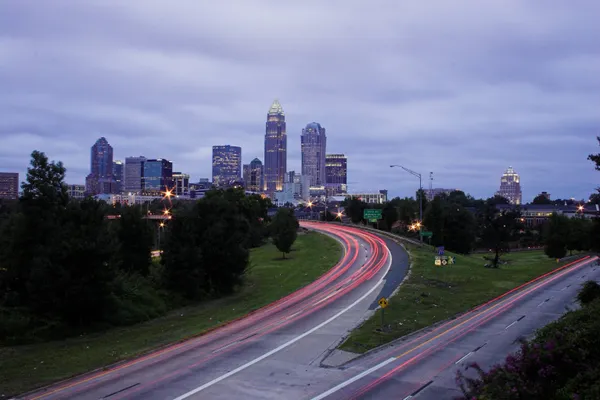
A developing weather system is set to bring needed precipitation to the Charlotte region
A new round of rainfall is expected to arrive in the Charlotte metro area on Thursday, offering short-term relief as drought conditions across the central Piedmont continue to worsen. The expected rain comes amid growing concerns about depleted soil moisture, low streamflows and an elevated risk of wildfires.
Drought status: parts of the metro have reached “extreme” classification
In recent updates, parts of the Charlotte region have been categorized at the “extreme drought” level, including areas within Mecklenburg County and several surrounding counties. The same classification has also been noted in parts of Cabarrus, Rowan, Stanly and Union counties. The current situation marks the first time portions of the metro area have reached the extreme level since 2008.
Measured rainfall has lagged far behind normal levels this month and year-to-date. By mid-February 2026, Charlotte had recorded only a trace amount of rain for the month while year-to-date precipitation remained well below seasonal averages, conditions that have contributed to drier fuels and heightened fire danger across much of North Carolina.
What to expect Thursday: rain potential, timing, and why totals matter
Forecast guidance points to rain developing Thursday as a frontal system moves through the region. While the exact timing and totals can vary neighborhood to neighborhood, the overall setup favors measurable rain during the day and into Thursday night in parts of the Carolinas.
- Showers are expected to increase Thursday, with the potential for occasional gusty winds near any heavier bands.
- Forecast rainfall amounts have ranged from light totals in some scenarios to near an inch in others, depending on the track and strength of the system.
- Even a solid rain event would be a first step, but not a full solution; drought recovery typically requires multiple widespread events over time.
Drought categories reflect more than a lack of rain: they are tied to impacts such as water shortages, stressed vegetation, and increased wildfire potential.
Why this rain matters beyond the forecast
Drought classification is based on a combination of indicators—precipitation deficits, streamflow, soil moisture and observed impacts. The extreme drought designation is associated with major agricultural stress and widespread water concerns when conditions persist. Local officials and utilities across the region monitor these indicators closely because water supply, landscape health and fire conditions can deteriorate quickly during prolonged winter dryness.
For residents, Thursday’s rain may help temporarily reduce fire danger and improve short-term ground moisture, but meaningful improvement in drought metrics generally depends on repeated soaking rains over weeks rather than a single event.