Series of I-485 crashes snarls south Charlotte traffic, highlighting recurring safety risks along the beltway corridor
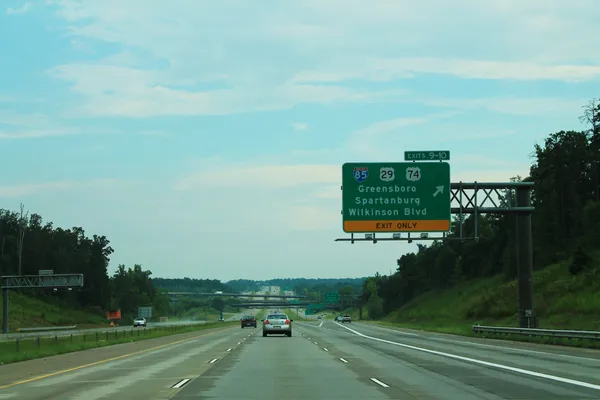
What drivers encountered on I-485
A cluster of crashes on Interstate 485 has repeatedly disrupted traffic in south Charlotte, with incidents leading to significant slowdowns and lane closures along the metro’s busiest beltway segments. One of the recent shutdowns occurred late on a Thursday night, when a crash on the I-485 inner loop at mile marker 66 prompted a full stoppage of traffic for a period of time before the roadway reopened.
While the circumstances of individual crashes vary, the operational effect is consistent: when a major wreck blocks lanes on I-485—particularly near key interchanges—delays can spread quickly to feeder routes and adjacent highways, including the I-77 interchange area. That pattern is amplified during periods of higher traffic volumes and in locations where traffic merges, weaves, or transitions between auxiliary and mainline lanes.
Why the south Charlotte stretch is vulnerable to backups
Transportation documents describing the I-485 corridor between I-77 and U.S. 74 identify it as a major commuter route connecting residential areas with radial routes into central Charlotte and with employment and shopping centers across the southern arc. In the same corridor, I-485 is generally posted at 70 mph and includes multiple closely spaced interchanges and ramp systems.
In crash-history analysis for the corridor used in planning work for improvements, rear-end collisions were identified as the most common type of crash, followed by same-direction sideswipes and collisions with fixed objects. The same analysis links many of these crashes to stop-and-go traffic conditions during peak periods, a scenario that can form quickly when a lane is blocked or traffic flow is interrupted.
Construction and closures add another layer of disruption
At the same time, ongoing work associated with I-485 express lane construction has introduced periodic ramp and lane closures in south Charlotte. Some closures have been scheduled during off-peak hours and have included lane restrictions on ramps feeding the inner loop, part of a broader set of activities that include paving tie-ins and other project-related work.
Even when planned to minimize impact, work zones can narrow margins for error and constrain options for drivers when congestion forms unexpectedly.
What to watch for when I-485 incidents occur
Backups can expand rapidly near major interchanges where traffic is merging or exiting.
Stop-and-go conditions increase the likelihood of secondary crashes, especially rear-end collisions.
Planned ramp or lane closures connected to construction can intensify delays when an unplanned crash happens nearby.
For south Charlotte commuters, the combination of high-speed design, heavy peak-period demand, and closely spaced interchanges means that a single crash can quickly ripple across the corridor.
Officials continue to urge drivers to use caution around emergency response scenes and work zones and to consider alternate routes when a major incident blocks travel lanes.