Severe storms topple large tree in south Charlotte, highlighting recurring wind-and-saturated-soil hazards citywide
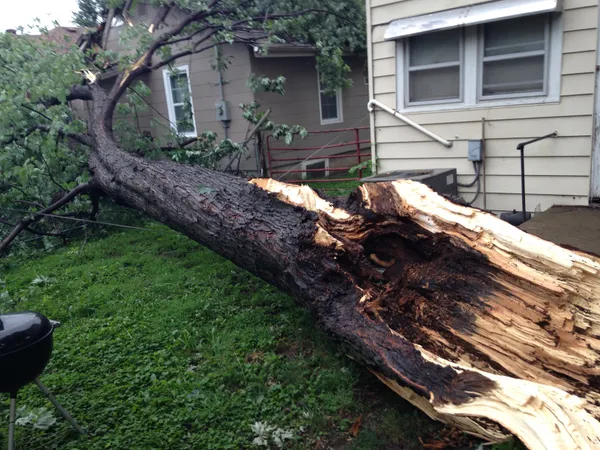
A large tree was uprooted during a bout of severe weather in south Charlotte
Severe weather in south Charlotte recently produced damage consistent with intense straight-line wind and saturated ground conditions, including the uprooting of a large tree. In similar incidents documented in late 2025, emergency officials confirmed that at least one major tree fall in south Charlotte damaged a home on Northampton Drive, just off Park Road, without causing injuries.
The latest episode adds to an established pattern in Charlotte: during strong storms, even mature trees can fail at the roots, particularly when repeated rainfall weakens soil stability. The resulting hazards can include blocked roadways, structural damage to homes, and risk to pedestrians and motorists.
Why large trees uproot in storms
Arborists and storm-response agencies generally point to a combination of factors behind uprooted trees during severe weather: wind loading on a full canopy, compromised roots from prior stress, and soil that is unable to hold a root plate when saturated. When soil moisture is high, the ground can lose shear strength, increasing the likelihood that a tree will tip rather than snap.
In urban neighborhoods with dense tree cover, failures can be consequential even when the storm footprint is localized. A single uprooted tree can damage power lines, block lanes, or fall onto structures. Charlotte has also recorded cases where lightning is suspected of triggering tree collapse; in a separate Charlotte incident documented by public safety agencies, a lightning-related tree fall struck an apartment building and led to fatalities and injuries.
How the city prioritizes storm cleanup
Charlotte’s storm response protocol prioritizes clearing major thoroughfares and key public-safety access routes first, then secondary roads, and finally non-emergency access points such as sidewalks, bike lanes, and driveways. The city distinguishes emergency situations—such as a tree blocking a roadway—from non-emergencies where debris is off the travel lanes.
- If a tree blocks a road, it is treated as an emergency response issue.
- Downed trees or limbs outside the roadway are handled through non-emergency service requests.
- Debris removal can be delayed when downed utility lines are involved, since municipal crews cannot work near energized lines under safety rules.
Safety guidance during and after storms
Officials consistently urge residents to treat downed trees and limbs as potentially dangerous, particularly when they may be entangled with power lines. Motorists are advised to avoid barricaded areas and to plan alternate routes when a large tree blocks a corridor.
Storm damage can be highly localized. Even within the same neighborhood, one block may see major tree failure while adjacent streets show minimal impacts.
As Charlotte heads into peak thunderstorm months, the most immediate risk reduction steps remain practical: reporting hazardous trees in public rights-of-way, avoiding downed-line areas, and treating large, leaning trees after storms as a potential emergency—especially when wind is forecast again before cleanup is complete.