Two-alarm house fire on Shores Lane in south Charlotte prompts overnight investigation into cause
What happened
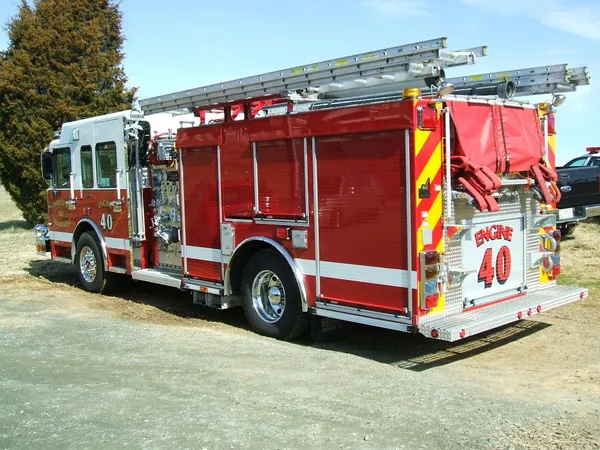
Firefighters worked a two-alarm residential fire Saturday evening, January 31, 2026, at a home on Shores Lane in south Charlotte. The Charlotte Fire Department response began shortly after 7 p.m., and additional resources were requested under a second-alarm assignment as crews battled the blaze.
As of Sunday, February 1, officials had not released details on injuries, the number of residents displaced, or the extent of damage. No formal cause had been made public.
What a two-alarm response signals
In Charlotte, a second alarm typically indicates that the first wave of units needs reinforcement because of fire conditions, exposure risks to neighboring structures, manpower demands, or water-supply and operational needs. A two-alarm assignment generally brings more engines, ladder companies, and command staff to the scene, allowing crews to rotate, protect adjacent homes, and support interior firefighting, ventilation, and overhaul.
Because the event involved a private residence, investigators will also work to determine whether the fire began inside the living space, in an attached garage, or in an exterior area such as a deck or utility connection. Those determinations are normally made after the fire is controlled and crews can safely access the origin area.
Investigation and next steps
Charlotte fire investigators typically examine burn patterns, potential ignition sources, and utility involvement, and they document the scene through photographs, interviews, and a review of any available security or doorbell-camera footage. In some cases, investigators coordinate with insurance representatives and utility providers as part of a cause-and-origin assessment.
When a second alarm is requested, the operational priority is stabilizing the scene—knocking down fire, preventing extension, and accounting for occupants—before a full origin-and-cause evaluation can begin.
What remains unknown
- Whether any residents or firefighters were injured or evaluated at the scene.
- How many people, if any, were displaced and whether temporary assistance was requested.
- The estimated dollar loss and whether the structure is considered a total loss.
- The fire’s point of origin and whether it is classified as accidental, undetermined, or intentional.
Community impact
Residential fires can trigger short-term road closures, utility interruptions, and extended on-scene activity as crews complete overhaul to prevent rekindling. Neighbors may also see follow-up visits by investigators in the hours or days after the incident. Updates are expected as the investigation progresses and officials confirm key facts such as injuries, displacement, and the fire’s cause.