Why Charlotte’s wildfire risk can spike quickly: dry fuels, low humidity, gusty winds, and human ignition
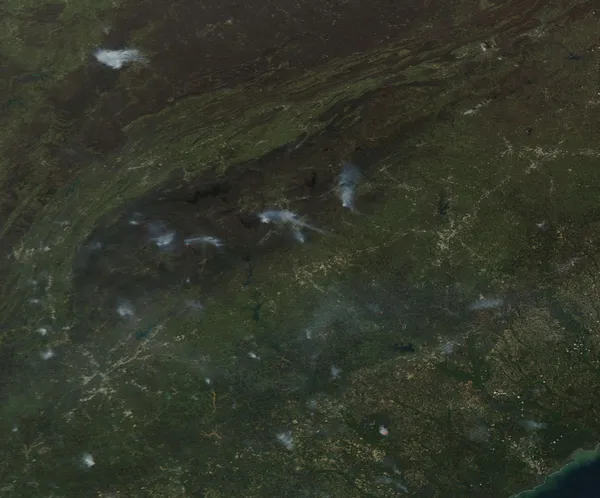
Charlotte’s “extreme” fire danger is typically a short-window problem with outsized consequences
Periods of extreme fire danger in and around Charlotte are most often driven by a specific alignment of conditions rather than a single cause: dry vegetation at ground level, very low relative humidity, and strong, gusty winds. When those factors occur together, fires can ignite easily and spread rapidly, especially in grasses, leaf litter, and brush common across the region’s wooded edges and open lots.
In the Carolinas, late winter and early spring are a recurring high-risk season. Vegetation that grew during wetter months can cure (dry out) before full spring “green-up,” leaving fine fuels that respond quickly to a warm, dry, windy afternoon. Even after a rain earlier in the week, a fast drop in humidity and a surge in wind can dry surface fuels enough to elevate risk again.
How “Red Flag” conditions are defined, and why they matter locally
Fire-weather alerts are issued when forecast conditions are expected to support rapid fire growth. While thresholds differ by National Weather Service forecast area, criteria commonly include a combination of very low relative humidity (often around 25% or lower for a sustained period), strong sustained winds and/or frequent gusts, and sufficiently dry fuels. In practical terms, these are the days when a small outdoor fire can escape containment quickly, including yard debris burns and recreational fires.
Human activity remains a central risk factor
Outdoor burning is a leading source of wildfire starts in North Carolina, and local restrictions can tighten quickly during hazardous periods. In Mecklenburg County, open burning is broadly restricted under fire prevention and air-quality rules unless a permit is issued by the county fire marshal’s office. During periods of heightened wildfire danger, state or local officials can suspend permissible burning, canceling permits and expanding enforcement.
Debris burning and unattended flames are frequent sources of escaped fires.
Wind can carry embers into nearby dry grass and leaf litter, accelerating spread beyond property lines.
Roadside ignitions can occur when sparks or heat sources contact dry vegetation.
What makes some March episodes unusually dangerous
Recent North Carolina climate analysis has documented that March can bring periods of unusually high wind in Charlotte, increasing the likelihood that any ignition becomes difficult to control. At the same time, prolonged dry stretches can raise statewide fire activity, with forestry officials tracking large counts of wildfire incidents during severe spring fire-weather patterns.
Extreme fire danger is best understood as a narrow time window when weather and fuels align—making prevention and adherence to burn rules the most effective immediate controls.
What residents and property owners should monitor
When fire danger rises, the most actionable indicators are forecast humidity and wind, along with burn restrictions and permit status. Residents can reduce risk by postponing outdoor burning, fully extinguishing any allowed fire sources, and keeping ignition sources away from dry vegetation—especially on windy afternoons when humidity is lowest.
For Charlotte-area emergency response, the key variable is often not the size of the initial flame but the speed at which it can spread under gusts and low humidity, turning a small incident into a fast-moving brush fire.