Sen. Thom Tillis presses DHS Secretary Kristi Noem for data on Charlotte Border Patrol sweep

Senate confrontation centers on transparency, use-of-force claims, and the scope of “Operation Charlotte’s Web”
U.S. Sen. Thom Tillis, a North Carolina Republican, used a Senate hearing on March 3, 2026, to sharply criticize Department of Homeland Security Secretary Kristi Noem and demand detailed information about a federal immigration enforcement surge carried out in Charlotte last fall.
Tillis said DHS had not responded to a four-page letter he sent in February seeking encounter-level information tied to the November 2025 operation commonly referred to by federal officials as “Operation Charlotte’s Web.” He urged DHS to provide anonymized but specific data that would allow oversight of stops, detentions, and arrests, including whether force was used and whether U.S. citizens were involved.
During his remarks, Tillis framed his request as an effort to measure the operation’s precision and legality, arguing that enforcement results should be assessed by the accuracy of targeting rather than daily arrest totals. He also warned that absent responses, he would move to block future nominations and disrupt Senate business.
What is known about the Charlotte operation
Federal immigration authorities launched the Charlotte-area enforcement push in mid-November 2025 and quickly expanded activity beyond Mecklenburg County into other parts of North Carolina. Early federal updates reported more than 130 arrests during the first two days of activity and more than 250 arrests within the first several days.
Local public-safety agencies, including Charlotte-Mecklenburg Police, repeatedly said they were not involved in making federal immigration arrests during the operation.
Messaging about the operation’s endpoint also diverged. On Nov. 20, 2025, the Mecklenburg County Sheriff’s Office announced it had been advised by federal officials that the CBP portion of “Charlotte’s Web” had concluded in the city and that there would be no CBP operations in Charlotte that day, while noting that Immigration and Customs Enforcement would continue operating in Mecklenburg County.
Oversight pressure and broader allegations
Tillis’ letter sought granular documentation of stops and justifications for warrantless encounters, including any allegations of detaining U.S. citizens, the use of force, and property damage. Separate public scrutiny has also focused on claims that some enforcement actions in North Carolina involved warrantless arrests without sufficient legal justification.
The senator also referenced concerns related to DHS enforcement activity outside North Carolina, including incidents in Minneapolis discussed during the hearing, as part of his argument that DHS should provide clearer operational standards and accountability measures for interior enforcement surges.
Key questions now at the center of the dispute
- How many people were stopped, detained, or arrested in the Charlotte operation, and over what exact dates and locations?
- How many encounters involved U.S. citizens or lawful residents?
- How often, and under what policies, was force used?
- What documentation exists to justify each stop or warrantless arrest?
- Which agencies led specific phases of the operation, and what was the operational chain of command?
Tillis’ demand is narrowly focused on encounter-level disclosure: data that can be reviewed for legality, targeting accuracy, and consistency across DHS components operating in Charlotte.
As of March 5, 2026, DHS has not publicly released a comprehensive, encounter-level accounting of the Charlotte operation matching the level of detail Tillis has requested.
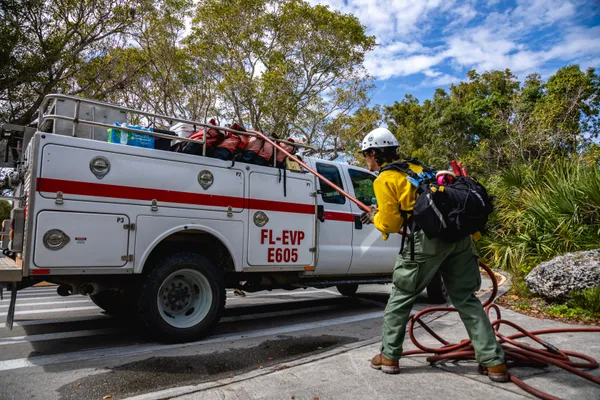
Smoke in Charlotte linked to South Carolina prescribed burns as spring fire management resumes regionwide
Charlotte City Council weighs next steps on affordable housing funding and expanded street vendor rules
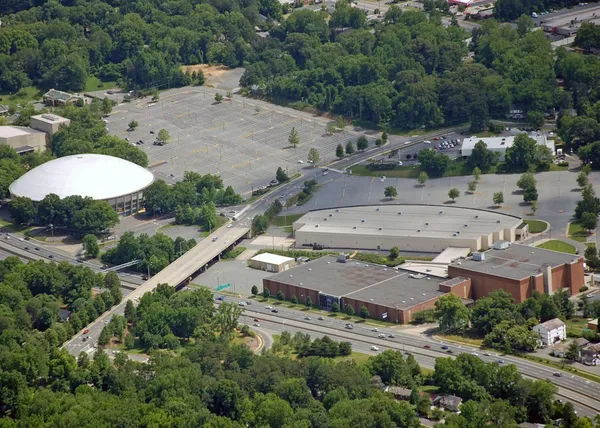
Charlotte City Council to weigh $25 million package for critical repairs at Bojangles Coliseum, Ovens Auditorium