Smoke in Charlotte linked to South Carolina prescribed burns as spring fire management resumes regionwide
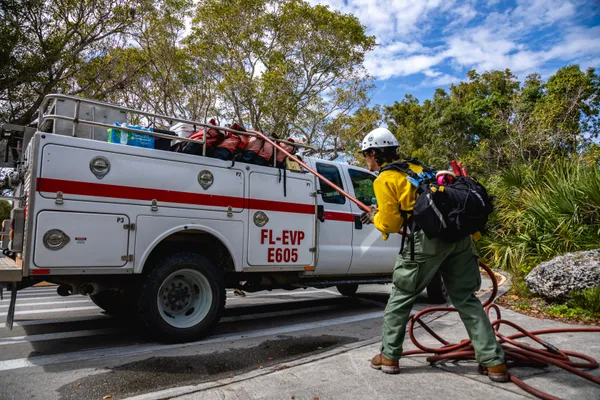
Smoke and haze reach Charlotte as prescribed burning activity increases across the Carolinas
Residents across parts of the Charlotte region reported smoky odors and a visible haze on Thursday, March 5, 2026, as smoke drifted northward from prescribed fires in South Carolina. The movement of smoke into Mecklenburg County is consistent with how low-level winds can transport fine particles over long distances, even when the fires themselves are not close to population centers.
Prescribed burning is a planned land-management practice used by forestry agencies, parks, and other landowners to reduce hazardous fuels, manage vegetation, and improve habitat. In the Southeast, the approach is widely used during seasonal weather windows when humidity, wind, and fuel conditions can be matched to operational safety needs.
Why prescribed burns can affect air quality far from the fire line
Even when conducted under smoke-management guidelines, prescribed burns generate particulate matter that can irritate eyes and airways. As smoke spreads downwind, it can reduce visibility and temporarily elevate local particle pollution levels. Conditions that limit vertical mixing—such as stable air layers in the morning or evening—can make smoke more noticeable at ground level.
Public health guidance for smoke exposure in North Carolina emphasizes that smoke can cause health problems, particularly for sensitive groups such as people with asthma or other lung disease, heart conditions, older adults, pregnant people, and young children. Health officials typically recommend reducing prolonged outdoor exertion when smoke is present and keeping indoor air cleaner when possible.
Regional context: fire management, wildfire risk, and smoke planning
Prescribed burning in the Carolinas occurs alongside periods of heightened wildfire risk, when dry fuels and gusty winds can accelerate fire spread. State forestry agencies maintain notification systems and operational restrictions that can change quickly as weather and resource availability shift. In South Carolina, residents conducting certain types of outdoor burning are required to notify forestry authorities, and prescribed fire planning commonly incorporates steps intended to limit smoke impacts.
North Carolina’s air quality and forestry programs also address prescribed-burn smoke through smoke-management practices designed to reduce impacts to public roadways and communities. These programs reflect an ongoing policy balance: prescribed fire can lower the likelihood of severe wildfires, but smoke remains a short-term public health concern when it drifts into populated areas.
What residents can do when smoke is noticeable
If you smell smoke or see haze, limit strenuous outdoor activity—especially if you have respiratory or heart conditions.
Keep windows and doors closed if indoor air is cleaner; use HVAC filtration when available.
Use caution when driving in areas where smoke reduces visibility, particularly near low-lying roadways.
Prescribed fires are planned, but smoke effects can still be felt across county and state lines when winds shift.
Smoke impacts in Charlotte are typically intermittent and weather-dependent. As prescribed burning continues into spring, similar episodes may occur when downwind transport aligns with burn operations and atmospheric conditions that keep smoke closer to the ground.
Charlotte City Council weighs next steps on affordable housing funding and expanded street vendor rules

Sen. Thom Tillis presses DHS Secretary Kristi Noem for data on Charlotte Border Patrol sweep

Charlotte City Council to weigh $25 million package for critical repairs at Bojangles Coliseum, Ovens Auditorium